

Older Homes & Lead-Safe Renovation · NY · NJ · CT
Lead Paint Removal
& Lead-Safe Painting
Ward Painting lists lead paint removal among its specialist painting and restoration services. For older properties throughout New York, New Jersey and Connecticut, understanding existing coatings, applicable safety requirements and the correct scope of work is an essential part of planning painting and renovation projects.
“Owning a restored historic home, I am particular on detail and quality. Sean has never disappointed me”
Years of Experience
Decades of painting, detailed surface preparation and restoration experience.
Our Company History →Tri-State Experience
Residential, commercial and restoration projects across the region.
Licensing Information →Construction Management
Sean Ward holds a degree in Construction Management from New York University.
Meet Ward Painting →Published Lead-Safe Records
Ward Painting publishes EPA firm and renovator credential details. Current validity must be confirmed before regulated work.
View Certification Records →Customer Testimonials
Trusted for Painting & Restoration.
These genuine Ward Painting customer reviews reflect the team's general painting, preparation and restoration workmanship.
“The painting was perfect and the sanding and patch work that was required before painting exceeded expectations.”
“They worked diligently to repair the plaster walls and ceiling, put up molding, and apply multiple coats of paint.”
“Their workers were professional and they did everything that they promised.”
“Their staff is well trained & experienced professionals. We have found the staff to be courteous, flexible & neat.”
Lead-Based Paint in Older Properties
Planning Painting Work in a Pre-1978 Home?
Older painted surfaces require additional consideration because disturbing lead-based paint can create hazardous dust and debris.
Lead-based paint was commonly used in residential buildings before the federal residential lead-paint ban in 1978. Not every older painted surface contains lead, but age alone cannot rule it out.
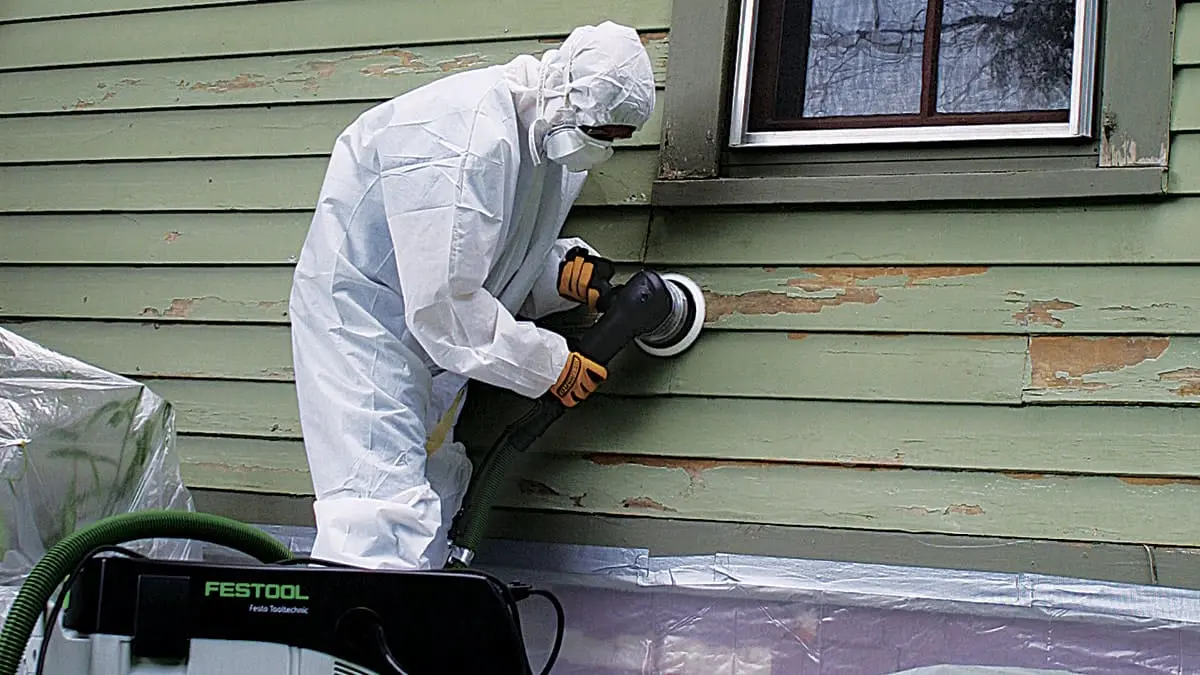
Sanding, scraping, repairs and other painting preparation activities can disturb existing coatings. If lead-based paint is present, inadequate work practices may spread lead-containing dust into the property or surrounding areas.
The EPA's Renovation, Repair and Painting (RRP) Rule establishes requirements for many paid renovation projects involving painted surfaces in pre-1978 homes and child-occupied facilities.
Ward Painting includes lead paint removal among its published services and lists lead-safe certification records on its website. Current qualifications and whether the proposed work involves renovation or regulated abatement must be established before a project is undertaken.
Understanding the Requirements
What Matters During Lead-Safe Painting & Renovation?
A project involving older paint may require additional planning, documentation and controls before any surfaces are disturbed.
Property Age & Paint History
Understanding when a building was constructed and what is known about its existing coatings helps determine which regulations may apply.
Surface Assessment
Peeling paint, damaged trim, old plaster and other existing conditions can affect the project scope and the required preparation methods.
Appropriate Testing
Where testing is needed, it must be performed or documented by appropriately qualified personnel using accepted methods. Visual appearance is not a reliable way to identify lead paint.
Work Area Containment
Applicable lead-safe work practices include containing the work area to prevent dust and debris from spreading outside the controlled space.
Dust & Debris Management
Regulated work requires appropriate controls for dust, tools, debris and cleaning, according to the applicable work-practice standards.
Certification & Project Scope
Covered renovation and lead abatement have different qualification requirements. The appropriate credentials and service scope must be confirmed before work.
Ward Painting's Published Certification Information
Ward Painting's certification page lists EPA Lead-Safe Firm number NAT-123396-3 and a renovator credential for Sean Ward. These are published records, not confirmation of their current status. Review Ward Painting's certification page and verify current credentials with the EPA lead program before proceeding with regulated work.
Important Distinction
Lead-Safe Renovation Is Not the Same as Lead Abatement.
These two types of work may involve similar-looking activities, but they have different purposes and regulatory requirements.
Lead-Safe Renovation (RRP)
RRP covers many renovation, repair and painting activities that disturb existing paint in covered pre-1978 homes and child-occupied facilities.
The work is typically performed to repair, maintain, repaint or renovate a property, rather than specifically to permanently eliminate lead hazards.
Covered projects require the appropriate firm certification, trained personnel and lead-safe work practices.
Lead Abatement
Lead abatement is work specifically designed to permanently eliminate lead-based paint hazards.
It may involve inspections, risk assessments, specialized hazard-control work and clearance requirements.
Abatement is regulated separately and requires the relevant abatement qualifications, licensing and procedures.
Which Type of Service Does Your Project Need?
That depends on the purpose of the work, the property, applicable regulations and any existing inspection reports or hazard findings. Discuss the project with appropriately qualified professionals before proceeding. Read the EPA's guidance on lead renovation and abatement.
Working Around Older Painted Surfaces
Protecting the Work Area Matters.
Lead-containing dust can spread beyond the immediate area where paint is disturbed if appropriate controls are not used.
The EPA's RRP work-practice requirements address preparation of the work area, containment, prohibited practices, cleaning and verification procedures.
Occupancy, access, furniture, neighboring rooms and exterior surroundings may also need to be considered when planning the project.
Different requirements can apply to residential, commercial, childcare and other types of facilities. The specific rules depend on the property and work proposed.
- Review the age and use of the property
- Determine which surfaces will be disturbed
- Establish applicable certification requirements
- Plan the regulated work area and protection measures
- Address cleaning and verification requirements
- Clarify what work is included in the agreed scope
Older Homes & Historic Properties
Painting & Restoration for Older Buildings.
Many older homes have distinctive architectural features, original plaster, wood siding, doors, windows and decorative trim.
Repairing and repainting these surfaces can require careful preparation to preserve their appearance and character.
Ward Painting has experience with historic painting and restoration , drywall and plaster repairs, woodwork and traditional architectural details.
If your project involves paint disturbance in a pre-1978 property, the applicable lead-safe requirements must also be addressed, independently of the desired painting finish.
- Historic architectural features
- Older interior plaster and drywall
- Exterior wood siding and trim
- Traditional doors and windows
- Surface preparation and refinishing

Project Planning
Our Lead Paint Project Assessment Process.
Before any regulated work is agreed upon, it's important to understand the property, the surfaces involved and the qualifications required for the particular project.
Discuss the Property
Provide the property location, approximate construction age and details of the areas requiring attention.
Review the Scope
Discuss the existing painted surfaces, any inspection reports and whether the objective is renovation or lead abatement.
Confirm Requirements
Determine the applicable regulations, qualifications, testing and work-practice requirements before proceeding.
Agree on Next Steps
Establish whether Ward Painting can undertake the requested work, what the agreed scope includes and any necessary arrangements.
Work Areas & Property Details
Painting, Preparation & Older Properties.
Photographs showing renovation work areas, protective measures and architectural surfaces commonly encountered during painting and restoration projects.

A building's appearance does not establish whether its coatings contain lead. Historic painting photographs do not indicate that lead-based paint was found or removed at the pictured properties.
Why Ward Painting
Experience With Older Homes & Restoration.
Ward Painting's background includes detailed preparation, residential painting and historic building work.
Restoration Experience
Ward Painting works with older properties and traditional architectural materials, including plaster, woodwork and exterior finishes.
Detailed Preparation
The company's painting services include plaster and drywall repairs, surface preparation, sanding and restoration.
Published Credentials
Ward Painting publishes lead-safe firm and individual renovator credential information for customers to review and verify before regulated work.
Related Services
Explore More Services From Ward Painting.
Learn more about interior painting, exterior restoration and work involving older buildings.
Explore our Painting Services overview , Residential Services and Commercial Services . Learn about Ward Painting's experience , review published certification records , browse the project portfolio or read customer testimonials .
Service Area
Lead Paint Project Enquiries Across NY, NJ & CT.
Ward Painting serves customers throughout the New York, New Jersey and Connecticut tri-state region, including Rockland and Westchester counties.
The availability of regulated lead-related services depends on the property location, current qualifications and proposed project scope.
Frequently Asked Questions
Lead Paint Removal Questions.
Learn about lead-based paint, older homes, renovation rules, certification and project planning.
Does Ward Painting offer lead paint removal?
Ward Painting lists EPA Certified Lead Paint Removal among its published services. Its website also lists EPA lead-safe firm and renovator credentials. The current certification status and specific removal or abatement services must be confirmed with the company before work begins.
Does every home built before 1978 contain lead paint?
No. Older homes may contain lead-based paint, but the construction date alone does not prove its presence. An appropriate inspection or testing process can help establish the conditions at the property.
How can I tell whether my old paint contains lead?
Lead paint generally cannot be identified reliably by looking at it. Professional testing or inspection may be needed. If a testing result is to establish an exemption under the EPA RRP Rule, the applicable qualification and testing requirements must be followed.
Is peeling paint a lead hazard?
Deteriorating lead-based paint can create lead chips and dust. Peeling paint alone does not establish that lead is present, but deteriorating coatings in older properties should be assessed before disturbing them.
What's the difference between lead-safe renovation and lead abatement?
Lead-safe renovation typically involves repair, renovation or painting work that may disturb lead-based paint. Lead abatement is specifically intended to permanently eliminate lead hazards. These activities are regulated differently and may require different certifications.
Does an EPA RRP certification authorize lead abatement?
No. RRP certification alone does not establish qualification to perform regulated lead abatement. Separate credentials and applicable state or local requirements may apply.
Can I repaint an older home without removing all its paint?
Repainting does not necessarily require removing all existing coatings. However, preparation that disturbs painted surfaces can trigger lead-safe renovation requirements. The appropriate approach depends on the property, its coatings and applicable regulations.
How do I verify a contractor's lead-safe certification?
Ask to see the firm's current certification and the qualifications relevant to the proposed work. Ward Painting publishes its certification details . You can also consult the EPA lead program and firm locator. Relevant state and local licensing may also apply.
Can lead-safe renovation take place while a home is occupied?
Occupancy arrangements depend on the nature and extent of the work, required containment, occupants and applicable regulations. These conditions must be discussed with the appropriately qualified contractor before the project starts.
Does lead-safe renovation apply to exterior painting?
Yes, applicable lead-safe renovation rules can cover exterior work that disturbs painted surfaces in covered pre-1978 properties. The requirements depend on the specific project and applicable exemptions, if any.
What information should I provide when requesting an estimate?
Share your property location, approximate construction year, surfaces requiring work, visible paint condition and any previous lead inspection or testing reports. Avoid disturbing suspected lead-based paint while seeking professional advice.
How do I request a lead paint project assessment?
Complete the estimate form below or contact Ward Painting at (845) 639-0062 in New York or (201) 818-9099 in New Jersey. The company can discuss the property, proposed scope and next steps.
Request a Free Estimate
Tell Us About Your Lead Paint Project.
Planning painting or restoration work in an older property? Share the location, approximate age of the building, areas needing attention and any existing inspection or lead-testing information. We'll discuss the project and next steps.