
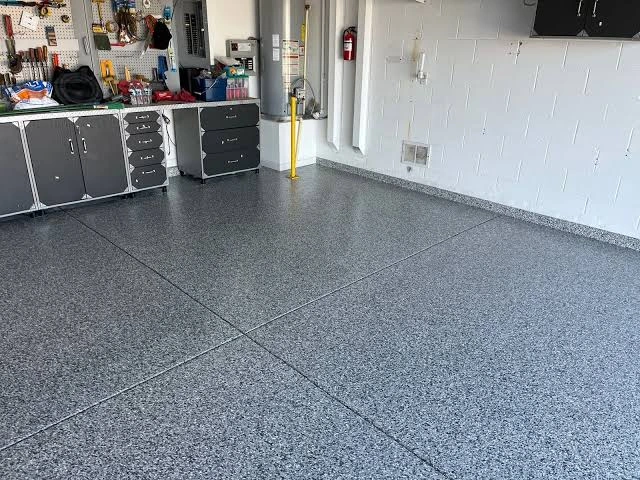
Polyaspartic Concrete Floors · NY · NJ · CT
Polyaspartic Floor
Coating Services
Explore polyaspartic floor coatings for residential garages and commercial concrete floors. Polyaspartic systems offer decorative finishes, with formulations designed for accelerated curing, wear resistance and UV stability. Ward Painting can discuss your concrete floor and confirm available coating options for your project.
“Ward Painting is the best painting company we ever used. They are thorough, anticipate problems before they occur, and exceed expectations.”
Years of Experience
Decades of painting, surface preparation and property finishing experience.
Our Company History →Tri-State Service Area
Residential and commercial property services throughout the New York tri-state region.
Licensing Information →Construction Management
Sean Ward holds a degree in Construction Management from New York University.
Meet Ward Painting →Concrete Floor Coating
Epoxy floor coating is included in Ward Painting's published service offering.
Explore Concrete Coatings →Customer Testimonials
Professional Workmanship. Genuine Customer Feedback.
Hear from Ward Painting customers about the team's professionalism, workmanship and reliability across painting and property projects.
“My family and I have hired Sean and his company for our home and business. We were very pleased with the professionalism of Sean and his staff while on our premises and they left the job sites clean and tidy.”
“Their workers were professional and they did everything that they promised. I will use them again and I would recommend them.”
“They were totally reliable, totally efficient and did excellent work. I would highly recommend them.”
“Their staff is well trained & experienced professionals. We have found the staff to be courteous, flexible & neat.”
Polyaspartic Concrete Floor Coatings
A Modern Finish for Concrete Floors.
Polyaspartic coatings are resin-based floor finishes used in residential and commercial concrete coating systems.
Unfinished concrete can accumulate dust, absorb stains and develop a worn appearance over time. In garages, the floor may also show tire marks, oil stains and regular vehicle wear.
A polyaspartic floor coating forms a continuous finish over appropriately prepared concrete or over compatible layers within a flooring system.
Polyaspartic coatings belong to the broader polyurea family and are available in different formulations. Certain systems are designed for faster curing, good abrasion resistance and improved color stability under UV exposure.
The final result depends on the coating selected, its compatibility with the concrete, preparation methods, application conditions and intended use of the space.
Ward Painting's existing concrete coating services include epoxy floor coating. Contact the team to discuss polyaspartic product availability and appropriate options for your floor.
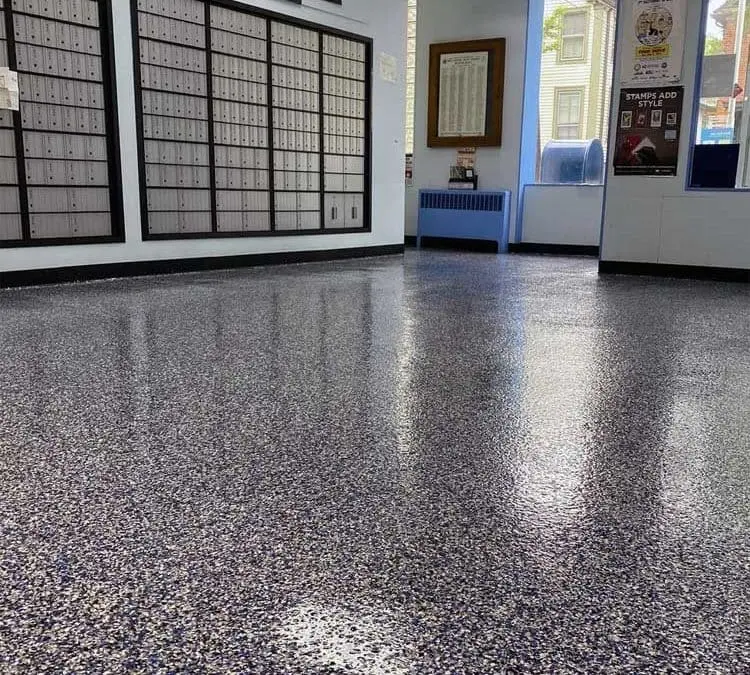
Polyaspartic Flooring Benefits
Why Consider Polyaspartic Floor Coating?
Polyaspartic systems are often evaluated for their curing characteristics, decorative versatility and surface performance.
Accelerated Curing Options
Some polyaspartic formulations cure more quickly than conventional epoxy products. The actual return-to-service time depends on the specified material and conditions.
UV-Stable Formulations
Many aliphatic polyaspartic coatings are designed for improved color stability under sunlight. UV performance should be verified for the complete flooring system.
Wear Resistance
Polyaspartic coatings are available in formulations designed to resist abrasion and routine floor wear. Performance varies with the product and traffic.
Decorative Floor Finishes
Polyaspartic materials can be used in solid-color and decorative aggregate flooring systems, including compatible flake and quartz designs.
Easier Routine Cleaning
A properly installed continuous coating may be easier to sweep and clean than porous concrete. Cleaning methods depend on the finish and texture.
Surface Texture Options
Some systems incorporate decorative aggregate or traction additives. Texture should be selected based on wet conditions, foot traffic and cleaning needs.
Decorative Floor Coating Options
Polyaspartic Floor Finishes & Decorative Options.
Polyaspartic coatings can be incorporated into several decorative flooring designs. Available colors, textures and system combinations depend on the product.
Solid-Color Finish
Pigmented polyaspartic coatings can create a consistent surface appearance. The choice of gloss and texture depends on the selected formulation.
Discuss Solid-Color Coatings →
Decorative Flake Systems
A flake floor can combine decorative vinyl chips with compatible resin basecoats and clear topcoats. Polyaspartic coatings are used in some of these systems.
Decorative Flake Coatings →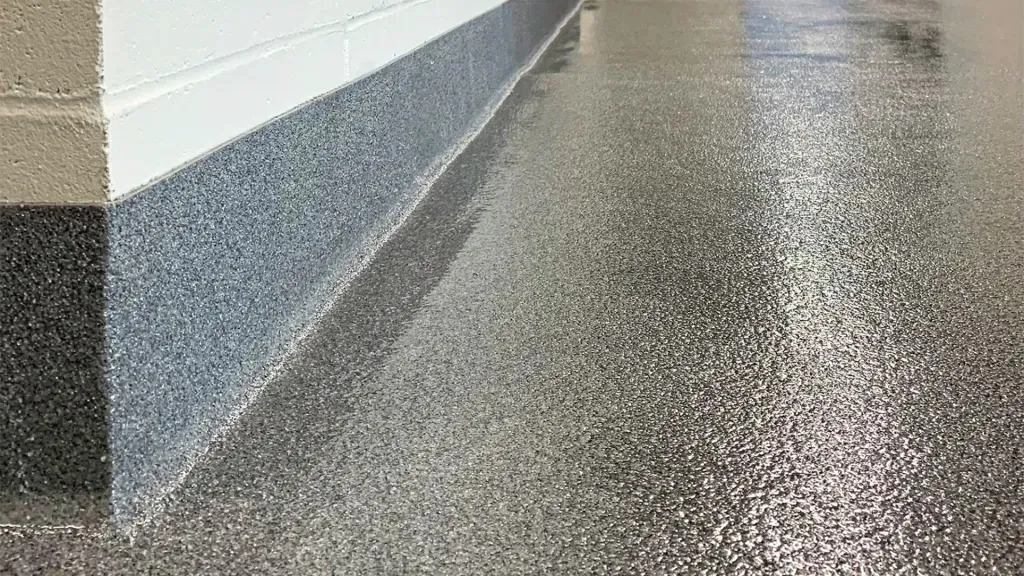
Quartz Aggregate Systems
Quartz broadcast systems incorporate colored aggregate in resin flooring. Certain systems use compatible polyaspartic finish coats. Specifications vary.
Quartz Floor Coatings →Residential Garage Floor Coating
Upgrade Your Garage With a Polyaspartic Floor.
Your garage doesn't have to look like an unfinished concrete storage space.
Many homeowners use their garages for parking, storage, household projects, bicycles and tools. An unfinished concrete floor can make the whole area look worn or dirty.
Decorative resin flooring offers a way to give the garage a more complete appearance, using solid-color or multi-color finishing systems.
Polyaspartic materials are commonly used in some decorative garage floor systems, particularly as clear finish coats over compatible colored or flake layers.
These systems may be considered when the homeowner wants an attractive floor, easier routine cleaning and a coating designed for vehicle traffic.
Existing oil stains, old coatings, moisture and concrete damage must still be evaluated before choosing a system.
Explore our Garage Floor Coating page for more information about garage flooring.
- Decorative garage floor finishes
- Vehicle and tire traffic considerations
- Existing floor staining and damage
- Color blends and texture preferences
- Concrete preparation requirements
- Cleaning and ongoing maintenance
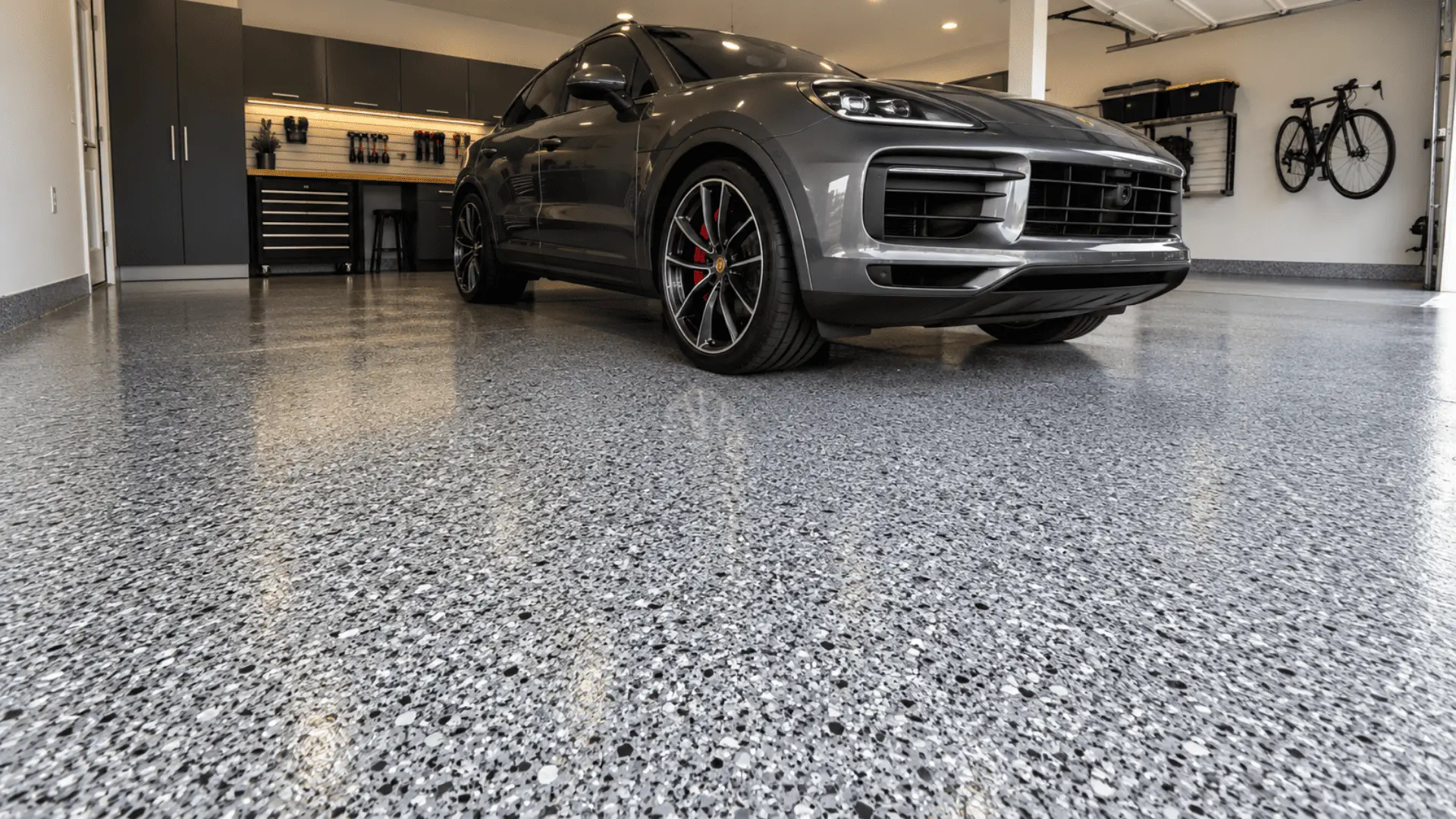
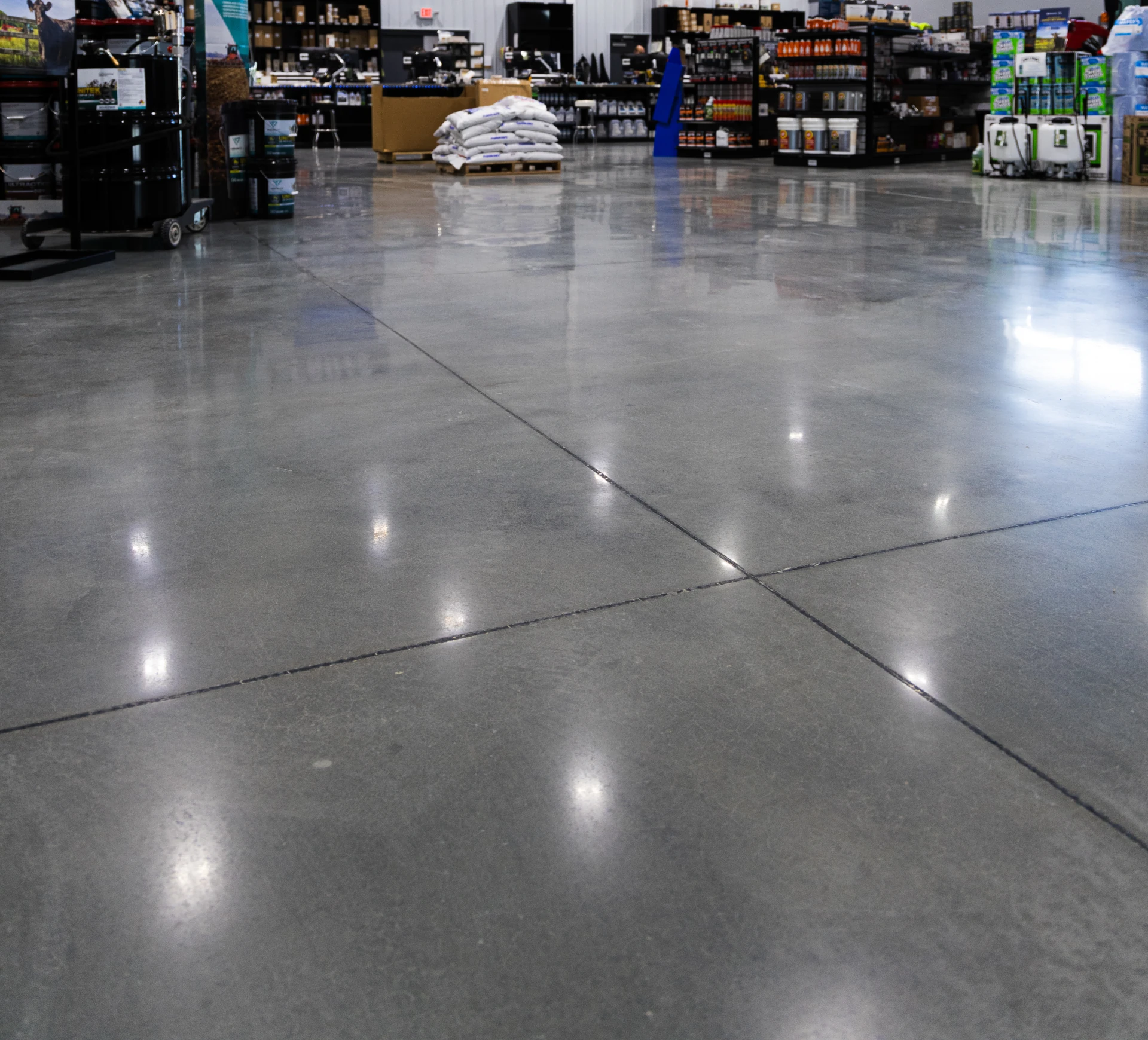
Commercial Concrete Coating Options
Polyaspartic Flooring for Commercial Spaces.
Commercial facilities may need floor coatings designed for frequent cleaning, foot traffic or rolling equipment.
Some polyaspartic systems are formulated for demanding floor applications and accelerated curing.
Depending on the formulation, these coatings may be considered for commercial interiors, showrooms and other concrete-floored areas.
However, a floor coating must be selected according to the building's actual use. Chemical exposure, equipment loads, cleaning and required traction can affect which system is appropriate.
Ward Painting provides commercial painting and finishing services . Contact us to confirm polyaspartic floor coating availability for your commercial project.
- Retail and showroom floor enquiries
- Commercial interior concrete surfaces
- Expected traffic and equipment loads
- Chemical exposure and cleaning needs
- Coating texture and finish specifications
- Project scheduling and return-to-service planning
Concrete Surface Preparation
A Polyaspartic Floor Starts With the Right Preparation.
Even fast-curing floor coatings require properly prepared concrete to achieve the intended adhesion.
A concrete floor may contain old coatings, sealers, oil contamination, surface defects or moisture conditions that affect the installation.
Polyaspartic coating manufacturers commonly require sound, clean and mechanically profiled concrete.
Mechanical grinding or shot blasting may be necessary to create the specified concrete surface profile.
Existing cracks, damaged areas and coating residues may also require attention before coating application.
Moisture evaluation is important because some coating systems have specific substrate moisture limits.
Fast curing should never be used as a reason to skip required preparation.
- Existing floor condition assessment
- Old coatings, sealers and contamination
- Concrete cracks and surface defects
- Moisture testing when required
- Mechanical surface preparation
- Manufacturer-specified substrate profile


Polyaspartic Coating Application
How Is a Polyaspartic Floor Installed?
Polyaspartic floor coating installation depends on the manufacturer, coating system and concrete condition.
After the concrete has been prepared, a compatible primer or basecoat may be required.
Some decorative systems incorporate vinyl flakes or other aggregates into the coating before applying the final finish.
Polyaspartic coatings may be used as a pigmented coat, clear topcoat or another component within a specified flooring system.
Product mixing, working time, recoat windows, temperature and humidity all matter. The material must be applied within its stated application limits.
Return-to-service timing must follow the actual manufacturer's instructions rather than a general promise about fast curing.
- Concrete cleaning and mechanical preparation
- Crack and surface repairs where required
- Compatible basecoat or primer
- Decorative flake broadcast when specified
- Polyaspartic coating or topcoat application
- Product-specific curing and access instructions
Comparing Concrete Coating Systems
Polyaspartic vs. Epoxy Floor Coating.
Both epoxy and polyaspartic coatings can be part of resin flooring systems, but their chemistry, curing characteristics and other properties differ.
Epoxy Floor Coating
Epoxy coatings are widely used as floor primers, build coats and decorative finishes. Product formulations have different working times, curing rates and performance properties.
Polyaspartic Floor Coating
Many polyaspartic products are designed for accelerated curing, UV stability and wear resistance. Shorter working times in some formulations require careful application.
Combined Flooring Systems
Some systems combine epoxy base layers, decorative aggregate and a compatible polyaspartic topcoat. All layers must be designed and installed as a compatible system.
Which Floor Coating Is Better?
It depends on the floor's condition, indoor or outdoor exposure, available installation time, finish requirements and expected use. No single chemistry is best in every situation. Learn more about Epoxy Floor Coating and the wider concrete coating options .
Our Approach
Our Concrete Coating Project Process.
The right floor coating begins with understanding the concrete, how the space is used and what you want the finish to achieve.
Discuss Your Project
Share your property location, floor size, existing surface condition and finish preferences.
Review the Concrete
Discuss cracks, old coatings, moisture conditions, surface preparation and intended use.
Confirm the System
Review available floor coating options, system specifications and project scheduling.
Complete & Review
Complete the agreed work and discuss applicable curing, cleaning and maintenance guidance.
Concrete Floor Finish Examples
Decorative Coatings & Floor Finishes.
Explore smooth coatings, flake designs and commercial concrete floor finishes.
Why Ward Painting
Professional Finishing Experience & Careful Planning.
Ward Painting brings decades of painting, restoration and property finishing experience to its customer projects.
Experienced Property Professionals
Ward Painting works on residential and commercial properties, with extensive experience in preparation and finishing.
Attention to Surface Conditions
A coating project should begin with a review of the concrete and specifications for the intended flooring system.
Professional Project Management
Ward Painting's customer testimonials emphasize reliability, professionalism, quality work and clear commitments.
Related Concrete Coating Services
Explore More Concrete Floor Coating Options.
Learn more about epoxy flooring, decorative flake finishes and residential garage floor coating options.
Explore our Concrete Coating Services , including Quartz Epoxy Coating , Metallic Epoxy Coating , Basement Floor Coating , Patio & Outdoor Coating and Pool Deck Coating . Ward Painting also provides Residential Services , Commercial Services and Painting Services .
Our Service Area
Concrete Floor Coating Enquiries Across NY, NJ & CT.
Ward Painting serves residential and commercial customers throughout the New York tri-state region.
Our wider service area includes Rockland County, Westchester County and surrounding communities in New York, New Jersey and Connecticut.
Contact us with your property location, approximate floor size, existing concrete condition and desired finish to discuss available coating systems.
Frequently Asked Questions
Polyaspartic Floor Coating Questions.
Answers about polyaspartic flooring, epoxy comparisons, surface preparation, curing, durability and maintenance.
Does Ward Painting offer polyaspartic floor coating?
Ward Painting publishes epoxy floor coating among its services. Contact the company to confirm whether polyaspartic systems and specific finish options are currently offered for your project.
What is a polyaspartic floor coating?
A polyaspartic floor coating is a resin-based protective finish from the broader polyurea family. It can be used as a coating layer or finish coat in certain concrete flooring systems.
Is polyaspartic flooring better than epoxy?
Neither is automatically better for every floor. Polyaspartic and epoxy systems can differ in cure time, working time, UV characteristics and other performance properties. Product selection should reflect the concrete, application and intended use.
How long does polyaspartic floor coating take to cure?
Some polyaspartic formulations cure relatively quickly, but curing times vary considerably by product, temperature, humidity and application conditions. Foot traffic, vehicle traffic and full cure can have different time requirements. Always follow the specific product instructions.
Can polyaspartic flooring be used in a garage?
Yes. Polyaspartic materials are used in certain residential garage floor systems, often including decorative flake finishes. Concrete condition, vehicle traffic and preparation requirements should be reviewed first.
Are polyaspartic floor coatings UV resistant?
Many aliphatic polyaspartic coatings are formulated for UV stability and improved color retention. However, UV performance depends on the specific product and all layers in the flooring system.
Does polyaspartic flooring yellow over time?
Certain UV-stable polyaspartic products are designed to resist yellowing better than some other resin systems. No coating should be assumed to remain unchanged indefinitely under every exposure condition.
Can polyaspartic coatings be applied over epoxy?
Some flooring systems use a compatible polyaspartic topcoat over an epoxy layer. The products must be approved for use together, and the correct recoat windows and preparation requirements must be followed.
Does concrete need to be ground before polyaspartic coating?
Many polyaspartic floor systems require concrete to be mechanically profiled before coating. Grinding or shot blasting may be used to achieve the specified surface profile. The method depends on the concrete and manufacturer's requirements.
Can moisture cause a polyaspartic coating to fail?
Moisture-related conditions can affect coating adhesion and performance. Different coating systems have different substrate moisture limits. Testing or further evaluation may be necessary before installation.
Are polyaspartic floors slippery?
Smooth resin floors can be slippery, especially when wet or contaminated. Depending on the system, aggregates and other texture options may be used to address traction requirements. The finish should be selected for how the floor will be used.
Are polyaspartic floors resistant to oil and chemicals?
Some polyaspartic coatings are formulated for resistance to certain oils, cleaners and chemicals. Resistance varies by product, concentration and contact time. The specific coating data should be reviewed for expected exposure.
Can polyaspartic flooring be used outdoors?
Certain polyaspartic coatings are designed for outdoor exposure. The complete system must be approved for sunlight, weather, moisture and temperature conditions. Appropriate traction is especially important in wet outdoor areas.
How long do polyaspartic floor coatings last?
Service life depends on the product, concrete preparation, installation quality, traffic, exposure conditions and maintenance. A specific lifespan should be based on the system selected and its documented performance characteristics.
How should a polyaspartic floor be cleaned?
Routine cleaning commonly involves removing loose debris and using an appropriate cleaner with a soft mop or similar cleaning equipment. Avoid products and abrasive methods prohibited by the coating manufacturer. Promptly clean spills according to the product's care instructions.
How much does polyaspartic floor coating cost?
Pricing depends on the floor area, concrete condition, preparation, repairs, product selection and decorative finish. Contact Ward Painting with details of your project to discuss available options and estimate requirements.
How do I request a polyaspartic floor coating estimate?
Complete the estimate form below with your property location, approximate floor size, concrete condition and finish preferences. You can also call Ward Painting at (845) 639-0062 in New York or (201) 818-9099 in New Jersey.
Request a Free Estimate
Tell Us About Your Polyaspartic Floor Coating Project.
Whether you're updating a garage, exploring a decorative flake floor or planning a commercial concrete coating project, tell us about your property, approximate floor size, existing concrete condition and the finish you're interested in. We'll discuss the available options and next steps.